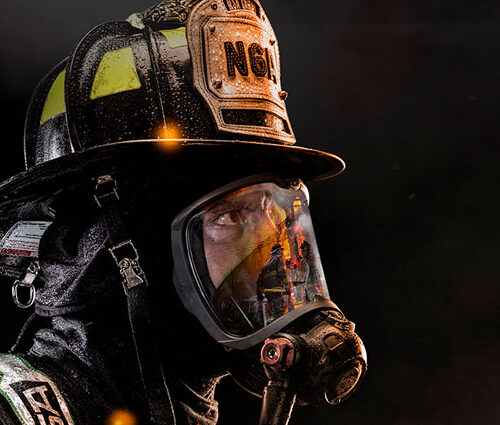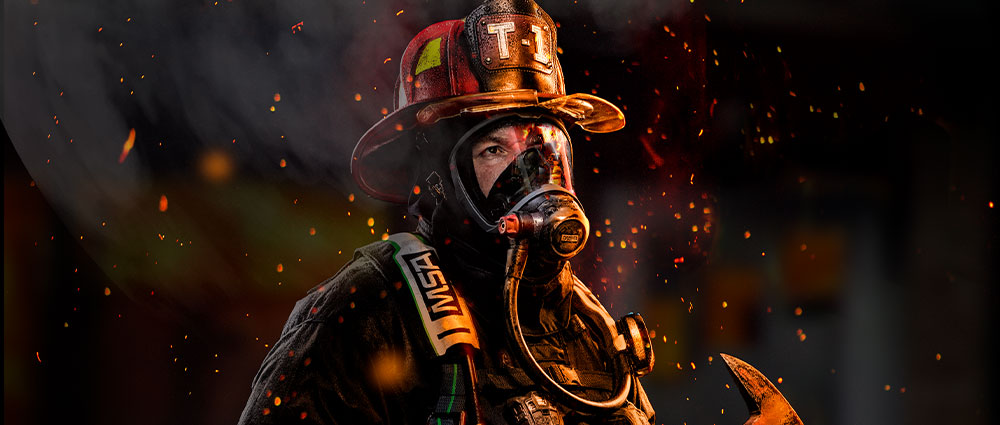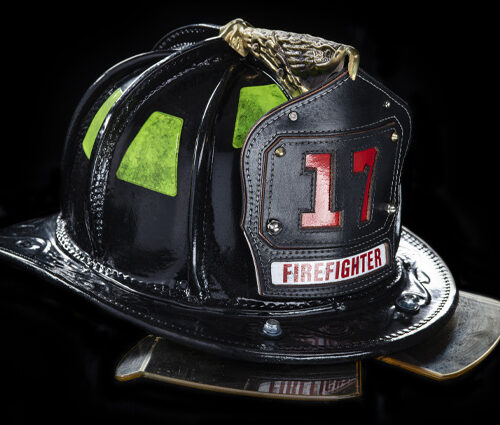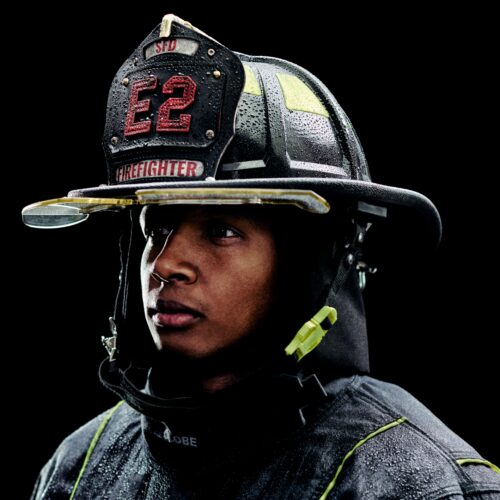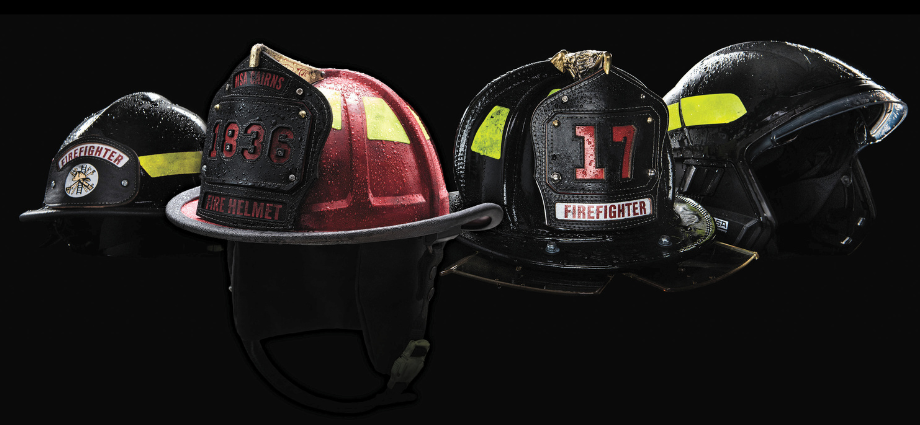
Fire helmets are designed to perform in unforgiving conditions on the fireground. From high heat and falling debris to potential chemical exposures and falls, a helmet must provide protection while remaining durable.
Modern fire helmets are manufactured using several different materials, each with unique properties that influence performance, weight, maintenance, and even cost. At MSA, Cairns® helmets are produced from leather, fiberglass composites, and thermoplastics. While the manufacturing processes may differ, MSA Cairns fire helmets are engineered to meet established firefighting safety standards such as NFPA 1970 (1971) or OSHA safety requirements.
Understanding the properties, advantages, and limitations of these materials can help departments and firefighters evaluate which option best fits their needs and preferences.
Firefighter Helmet Materials and Properties
Leather Fire Helmets
Leather helmets have long been associated with the fire service. Founded in 1836, Cairns & Brother helped pioneer the traditional fire helmet, crafting early models from leather. These helmets are known for their iconic appearance and craftsmanship and remain a popular choice among many firefighters.
MSA Cairns leather helmets are handmade from a 100% top-grain steer hide that is impregnated with a natural resin system. The handcrafted manufacturing process reflects a long-standing approach to helmet construction that emphasizes durability and attention to detail. Available models include the OSHA Certified Cairns® N5A New Yorker™ Leather Fire Helmet and NFPA 1970 (1971) 2025 Certified Cairns® N6A Houston™ Leather Fire Helmet.
Properties
- Constructed from premium leather
- Handmade manufacturing process with exceptional attention to detail
- Durable when properly maintained
Advantages
- Classic design recognized throughout the fire service
- Strong resistance to impact
- Long service life with proper care*
*NFPA 1850 (1951) 2026 Standard on Selection, Care, and Maintenance of Protective Ensembles for Structural and Proximity Firefighting and Open-Circuit Self-Contained Breathing Apparatus (SCBA) requires that fire helmets be retired ten (10) years from the date of manufacture.
Considerations
- Heavier than most modern helmet materials
- Higher in overall cost due to materials and handcrafted manufacturing process
- Lower heat resistance compared to modern composite materials
For many firefighters, leather helmets represent both tradition and craftsmanship, though their weight may influence purchasing decisions.
Fiberglass Composite Fire Helmets
Fiberglass composite materials offer high strength and durability. In fact, this material is the most popular of the MSA Cairns fire helmets. These helmets are manufactured through compression molding, which helps create a strong and stable shell. The finish can be either glossy or matte. Though the cost for this modern material can be a little higher, it offers exceptional durability when properly maintained.
MSA Cairns helmets, such as the Cairns® 1836 Traditional Composite Fire Helmet, Cairns® 660C Metro™ Composite Fire Helmet, and the Cairns® Invader 664 Composite Fire Helmet use fiberglass composite construction to balance durability and structural integrity. The premium fiberglass composite helmets mentioned are all NFPA 1970 (1971) 2025 Certified.
Properties
- High-strength composite material
- Strong thermal barrier performance
- Available in unpainted or painted for enhanced customization
Advantages
- Offers high durability compared to thermoplastic helmets
- Material supports enhanced structural integrity
- Excellent resistance to chemical exposure
Considerations
- Heavier than thermoplastic helmets
- Generally higher in cost due to materials and manufacturing process
Fiberglass composites offer a balance of durability and performance that appeals to many departments seeking long-term reliability, and the available finishes support enhanced customization options.
Thermoplastic Fire Helmets
Thermoplastic helmets are produced by injection molding, which enables consistent construction and lighter-weight designs. The material used is the lightest weight in the MSA Cairns fire helmet lineup. The helmets are commonly made from engineered polycarbonate blends designed to provide impact resistance while remaining lightweight.
Cairns models using thermoplastics include the Cairns® 880 Traditional Thermoplastic Fire Helmet and the Cairns® 360S Structural Thermoplastic Fire Helmet, and both are NFPA 1970 (1971) 2025 Certified.
Properties
- Lightweight engineered polymer materials
- Impact-resistant shell construction
- Cost-effective material and manufacturing process
Advantages
- Lighter weight compared to leather and fiberglass composite helmets
- Good resistance to radiant heat
- Affordable and relatively easy to maintain
Considerations
- When exposed to certain chemical hazards, degradation can occur
- Earlier thermoplastic designs could blister under high heat, though modern materials have significantly improved performance
For departments prioritizing lighter equipment and budget considerations, thermoplastic helmets can provide a practical option.
Supporting Informed Helmet Selection
While a department’s selection may be dictated by specific needs unique to the hazards they may encounter, the entire MSA Cairns fire helmet lineup is engineered to provide protection in harsh fireground conditions and meet the necessary safety standards. Material selection is only one factor when determining the best choice for your application. Here are some other common factors and the best choice in each category:
- Weight: If weight is a primary concern, thermoplastic fire helmets are the lightest available from MSA Cairns.
- Durability: Fiberglass composite fire helmets offer the best durability overall.
- Maintenance: Fire helmets constructed of thermoplastics are considered easy to maintain,
- Cost: Thermoplastic fire helmets are the most economical option.
- Tradition and prestige: Many firefighters value the tradition and heritage associated with traditional leather helmets, and MSA Cairns leather helmets continue to be handcrafted from premium materials and are long-lasting when properly maintained.
- Warranty: All MSA Cairns fire helmets come with a 10-year warranty*, providing extra peace of mind.
*MSA warrants MSA Cairns® Fire Helmets to be free from defects in materials and/or faulty workmanship for a period of ten (10) years from the date of manufacture by MSA.
Each material offers a different balance of these characteristics, which is why multiple options remain available in the market.
Firefighters rely on their helmets to perform consistently in unpredictable conditions. Understanding how materials differ can help departments evaluate options more effectively and select helmets that align with their operational needs, maintenance capabilities, and individual preferences.
Recommended for You